
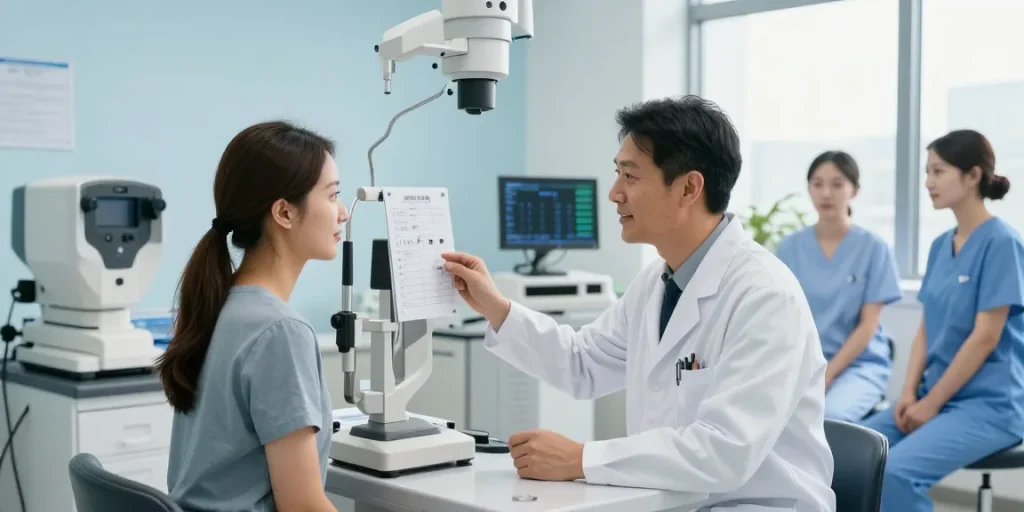
Understanding Vision Correction: The Essentials
In today’s fast-paced world, clear vision is paramount for many individuals. With advancements in eye care technology, vision correction options are becoming more sophisticated and tailored to meet individual needs. At the forefront of these advancements is SNU Eye Clinic, renowned for its comprehensive approach to eye health and surgery in Korea. As you explore your options for vision correction, snuseoulglobal.com serves as a valuable resource for understanding the range of services available.
What is Vision Correction?
Vision correction refers to a variety of procedures aimed at improving visual acuity. This can include the use of glasses, contact lenses, and surgical interventions to rectify refractive errors such as myopia (nearsightedness), hyperopia (farsightedness), astigmatism, and presbyopia.
Key Types of Vision Correction Treatments
- Glasses: A traditional method for correcting vision with lenses tailored to individual prescriptions.
- Contact Lenses: Convenient and effective, contact lenses can be used for a range of vision issues, providing freedom from glasses.
- Laser Surgery: Procedures like LASIK and LASEK use laser technology to reshape the cornea, offering long-term vision correction.
- Implantable Contact Lenses (ICL): An advanced alternative for patients not suitable for laser surgery, ICLs provide a permanent solution for vision correction.
How to Choose the Right Option for You
Selecting the right vision correction method is crucial and should be guided by a thorough consultation with an ophthalmologist. Factors to consider include your lifestyle, the severity of your vision impairment, and any underlying health conditions. A comprehensive examination at SNU Eye Clinic can help match you with the most appropriate treatment.
The SNU Eye Clinic Advantage
What distinguishes SNU Eye Clinic from other facilities is its commitment to excellence and patient care. With cutting-edge technology and an experienced team of specialists, the clinic ensures that every patient receives personalized attention and treatment tailored to their needs.
52 Detailed Tests: What to Expect
The clinic offers a comprehensive program that includes 52 detailed tests categorized into seven major areas of assessment. This thorough testing ensures a holistic understanding of your eye health, enabling precise diagnosis and treatment planning. Patients can expect a range of evaluations from visual acuity tests to advanced imaging techniques that assess the health of the eye and optic nerve.
Proven Results: 50,000+ Surgeries Performed
With over 50,000 successful surgeries performed, SNU Eye Clinic has established a reputation for excellence in the field of eye surgery. Each procedure is conducted with precision and care, guided by experienced ophthalmologists who utilize the latest techniques and technologies to ensure optimal outcomes.
Expert Medical Team: Meet Our Specialists
The clinic prides itself on its team of highly qualified professionals, each specializing in various aspects of eye care and surgery. From refractive surgery specialists to glaucoma experts, patients are assured they are in capable hands throughout their treatment journey. Regular training and updates ensure that the medical team stays abreast of the latest advancements in eye care.
Personalized Care: 1:1 Vision Correction Approach
Understanding that each patient’s needs are unique, SNU Eye Clinic emphasizes a personalized 1:1 vision correction approach. This strategy allows for tailored solutions that enhance the patient’s quality of life through improved vision.
The Importance of Tailored Treatments
Personalized treatment plans are vital in addressing the specific demands of each patient. By focusing on individual vision goals, lifestyle choices, and eye health conditions, SNU Eye Clinic ensures effective outcomes that meet patient expectations.
Exploring ICL and Toric ICL Solutions
Implantable Contact Lenses (ICL) and Toric ICLs represent innovative solutions for patients with myopia, hyperopia, and astigmatism. These options provide versatile alternatives for those who may not be candidates for traditional laser surgery. ICL procedures are minimally invasive and can lead to rapid recovery and high satisfaction rates.
Patient Success Stories: Real Results
Success stories from previous patients highlight the transformative impact of vision correction procedures at SNU Eye Clinic. Testimonials often showcase improved daily functioning, enhanced quality of life, and newfound independence from glasses and contact lenses. Considerable attention to patient care and satisfaction is evident in these remarkable outcomes.
Preparing for Your Consultation
Approaching your consultation prepared can significantly enhance the experience and outcome of your visit. Understanding the necessary steps beforehand will also empower you to make informed decisions regarding your eye health.
What to Bring to Your Appointment
- Any previous eye prescriptions or vision tests.
- Information on any medications you are currently taking.
- Your medical history, including any eye surgeries or conditions.
- A list of questions or concerns you wish to discuss with your ophthalmologist.
Common Questions to Ask Your Ophthalmologist
During your consultation, don’t hesitate to ask questions such as:
- What vision correction options are available for my specific condition?
- What are the risks and benefits of the recommended procedures?
- What does the recovery process entail?
- How should I prepare for the surgery if I choose to proceed?
Understanding the Consultation Process
The consultation process at SNU Eye Clinic typically involves a comprehensive eye exam, discussions about your medical history, and evaluation of your vision needs. The ophthalmologist will provide insights into the most suitable treatment options based on your unique circumstances. This thorough approach ensures that you have a clear understanding of the steps involved in your potential surgery.
Future of Eye Care: Trends for 2026 and Beyond
With rapid advancements in technology and research, the future of eye care looks promising. Innovations are expected to enhance patient outcomes and streamline procedures in the upcoming years.
Innovations in Eye Surgery Techniques
Emerging surgical techniques are being developed continuously, with less invasive methods promising quicker recovery times and reduced discomfort. Techniques such as femtosecond laser technology and advanced robotic systems are expected to redefine traditional practices in eye surgery.
Emerging Technologies in Vision Correction
Wearable technology and artificial intelligence are being integrated into eye care, offering real-time monitoring of eye health and personalized treatment recommendations. These advancements promise to revolutionize how vision correction is approached, paving the way for even more precise and effective solutions.
What to Expect from Eye Care in the Future
As we look toward 2026 and beyond, patients can expect a greater emphasis on patient-centric approaches in eye care. The increasing use of telemedicine and digital health solutions will likely improve accessibility to specialist care for individuals, even in remote areas.