
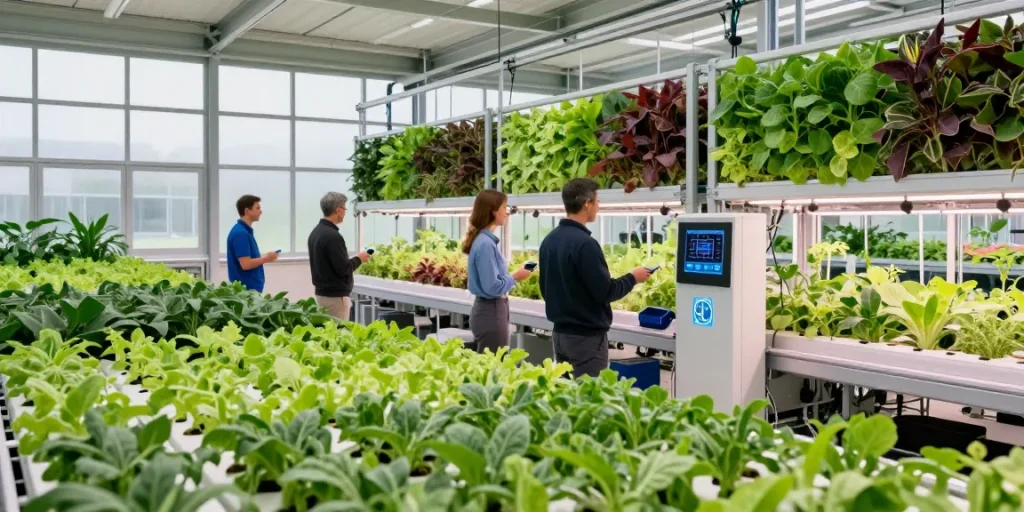
The Future of Indoor Agriculture with CIKA4D
As the world grapples with the dual challenges of population growth and climate change, the need for innovative agricultural solutions has never been more urgent. Indoor agriculture is emerging as a viable answer, providing a controlled environment for plant growth that minimizes the impact of external factors. CIKA4D, in collaboration with DAG Facilities, stands at the forefront of this movement, blending cutting-edge design and construction to facilitate the next generation of indoor farming. With an emphasis on efficiency, sustainability, and technological integration, CIKA4D is not just a service provider; it’s a partner in transforming agricultural practices.
When exploring options, cika4d provides comprehensive insights into creating optimal indoor agriculture systems that accommodate various scales and needs, ensuring a flexible approach to modern farming demands.
Understanding CIKA4D and its Role in Indoor AG
CIKA4D specializes in the design and construction of indoor agriculture facilities, addressing the increasing demand for efficient food production systems. By utilizing advanced technologies and sustainable practices, CIKA4D integrates the latest innovations in vertical farming, hydroponics, and aeroponics. This organization understands that successful indoor agriculture is about more than just planting crops; it’s about creating a thriving ecosystem conducive to growth throughout the entire lifecycle of the plants.
The comprehensive service offerings from CIKA4D include feasibility studies, facility design, climate control systems, and ongoing support, ensuring that every project aligns with the specific needs of its users.
Key Innovations in Indoor Farming Technology
Innovation is the heartbeat of CIKA4D’s approach to indoor agriculture. Major developments such as modular farming systems, smart lighting solutions, and precision climate control technologies are revolutionizing how crops are cultivated. For example, using LED grow lights tailored to specific wavelengths improves plant growth while reducing energy consumption.
Furthermore, climate sensors and automated control systems allow for precise adjustments to temperature and humidity, ensuring optimal growing conditions. These technological advancements not only enhance productivity but also significantly decrease resource waste, contributing to more sustainable practices.
Benefits of Using CIKA4D for Sustainable Growth
CIKA4D’s emphasis on sustainability directly contributes to achieving food security without compromising environmental integrity. The benefits of utilizing these services include:
- Resource Efficiency: Reduction in water usage and energy consumption compared to traditional farming methods.
- Year-Round Production: Ability to grow crops irrespective of season, enhancing food availability.
- Space Optimization: Utilization of vertical space to maximize yield per square foot.
- Reduced Carbon Footprint: Localized production decreases transportation emissions.
Designing Optimal Grow Environments
Essential Elements of Effective Indoor Agriculture Design
The foundation of successful indoor agriculture lies in effective design. Key elements include:
- Lighting Systems: Properly designed lighting is crucial for photosynthesis. CIKA4D customizes lighting solutions to suit specific crop needs.
- Airflow Management: Good ventilation prevents disease and ensures uniform temperature and humidity levels, which are essential for plant health.
- Space Planning: Efficient layout design enables easy access and maintenance while maximizing growth area.
Case Studies of Successful CIKA4D Implementations
Real-world applications of CIKA4D’s designs demonstrate the potential of indoor agriculture. For instance, a recent project involved the construction of a multi-tiered hydroponic farm that showcased the efficiency of vertical gardening. This facility reported a 30% increase in yield compared to traditional methods within the first production cycle.
Another noteworthy case involved the transformation of a derelict warehouse into a vibrant greenhouse, complete with automated systems that regulate environmental conditions. The result was a flourishing urban farm that provided fresh produce to local communities while educating visitors on sustainable practices.
Measuring Environmental Impact and Efficiency
CIKA4D is committed to sustainability, implementing systems to measure the environmental impact of its facilities regularly. Key performance indicators (KPIs) include water usage, energy efficiency, and crop yield metrics. By analyzing these metrics, facilities can continually improve their operations and adopt best practices for sustainability.
Construction Strategies for Indoor Agriculture Facilities
Best Practices for Building Advanced Grow Rooms
When constructing grow rooms, several best practices ensure optimal functionality:
- Using Durable Materials: The selection of materials that can withstand humidity and temperature fluctuations is critical for longevity.
- Smart Layout Design: Incorporating modular designs simplifies future expansions or modifications necessary as technology evolves.
- Efficient Utility Placement: Careful planning of electrical and plumbing systems minimizes downtime and disruption during maintenance.
Material Selection for Sustainability and Efficiency
Material selection plays a vital role in the sustainability of indoor farms. Using recycled or eco-friendly materials can greatly reduce the environmental footprint of construction projects. Additionally, materials that enhance energy efficiency, such as insulated panels and low-emissivity glass, further contribute to minimizing energy consumption.
Regulatory Considerations in Indoor Agriculture Construction
Compliance with local regulations is essential for indoor agriculture facilities. These may include zoning laws, health and safety standards, and environmental regulations. It is important for entrepreneurs to work closely with legal experts during the planning stages to navigate these complexities efficiently.
Challenges and Solutions in Indoor Farming
Common Obstacles in Indoor Agriculture Projects
Indoor agriculture does not come without its challenges. Common obstacles include high initial setup costs, technical expertise requirements, and operational knowledge gaps. However, these challenges present opportunities for firms like CIKA4D to deliver tailored support and solutions that help clients overcome potential hurdles.
How CIKA4D Resolves Industry Challenges
CIKA4D addresses these challenges through comprehensive planning, technological integration, and ongoing education for clients. By providing training sessions and resources, CIKA4D ensures that clients can manage their facilities efficiently and benefit from the latest agricultural innovations.
Future Trends Affecting Indoor Agriculture
Looking ahead to 2026 and beyond, trends such as increased automation, the integration of AI in crop management, and the growth of smart agriculture will shape the future of the industry. The evolution of farm-to-table technology will further streamline supply chains, allowing indoor farms to meet the rising demand for fresh produce effectively.
Leveraging Technology for Enhanced Productivity
Integrating Smart Technology in Indoor Agriculture
The integration of smart technology is revolutionizing indoor agriculture practices. IoT devices monitor environmental conditions, allowing for real-time adjustments that enhance plant health. The use of drones and robotic systems for planting and harvesting further automates labor-intensive processes.
Data-Driven Decisions in Crop Management
With the rise of big data, agriculturalists can analyze vast amounts of information to inform their growing practices. CIKA4D employs data analytics to track crop growth, leading to informed decisions about nutrient delivery and environmental conditions that optimize yields.
The Role of AI and Automation in CIKA4D Facilities
Artificial Intelligence (AI) and automation are becoming integral components of modern agricultural practices. CIKA4D leverages these technologies to monitor plant health, predict yields, and streamline operations. This shift not only boosts productivity but also reduces labor costs over time.
How to Get Started with CIKA4D?
For those interested in exploring the services offered by CIKA4D, the first step is to schedule a consultation. Understanding the specific needs of your project is critical to developing a tailored approach that meets operational requirements and budget constraints.
Tips for Engaging with CIKA4D Resources
CIKA4D provides a wealth of resources and support options. Engaging with them through workshops, webinars, and informational sessions can provide valuable insights into best practices and emerging technologies in indoor agriculture.
What are the Long-Term Benefits of Using CIKA4D?
Companies that choose to work with CIKA4D experience long-term benefits including improved crop yields, lower operational costs, and enhanced sustainability practices. The comprehensive support and innovative designs provided by CIKA4D not only future-proof agricultural businesses but also contribute to a safer, more sustainable food ecosystem.