The Rise of Humanoid Robotics in 2026
As we transition into a new era of technological advancement, the field of humanoid robotics is witnessing extraordinary developments. These robots are not just mere mechanical constructs; they are sophisticated systems equipped with artificial intelligence (AI) that enable them to learn, adapt, and interact with humans more naturally than ever. Companies like BrainCo, AGIBOT, and Muks Robotics are leading the charge, showcasing innovations that promise to redefine our day-to-day interactions with machines. For a deeper insight into the latest trends and updates in robotics, Robot24 serves as an excellent resource.
Understanding Humanoid Robotics: Definitions and Applications
Humanoid robots are designed to resemble the human body and are often programmed to perform tasks that require human-like abilities. Their applications span various domains, including healthcare, education, and hospitality. For instance, in healthcare, humanoid robots assist with surgery, provide therapy, and even monitor patient vitals, significantly enhancing patient care and operational efficiency.
In educational settings, humanoid robots serve as teaching assistants, engaging students with interactive learning experiences. The integration of humanoid robots into classrooms can lead to increased student engagement and curiosity about technology, making learning more appealing and effective.
Current Trends in Humanoid Robotics Development
Recent advancements highlight key trends in humanoid robotics, including improved AI algorithms and enhanced sensory capabilities. For example, robots are now equipped with advanced visual and auditory sensors that allow them to perceive their environments more effectively, enabling real-time interactions with humans. These developments are fostering an environment where robots can not only respond to commands but also understand contextual cues, making them better companions and workers.
Moreover, the rise of collaborative robots, or cobots, signifies a shift toward creating machines that work alongside humans, enhancing productivity in various industrial sectors. These robots are designed to perform specific tasks under human guidance, thus ensuring safety and efficiency in the workplace.
Challenges Facing Humanoid Robots Today
Despite significant progress, humanoid robots still face several challenges. Technical issues, such as power supply limitations and mobility constraints, hinder their effectiveness in complex, unpredictable environments. Moreover, ethical considerations around privacy and the potential job displacement caused by robots remain hotly debated topics among industry stakeholders.
Additionally, public perception plays a crucial role in the acceptance of humanoid robots. Many individuals harbor fears regarding dependency on machines, which could potentially limit the widespread adoption of these technologies. Addressing these concerns through education and transparent communication about the benefits and limitations of humanoid robots is essential for fostering acceptance.
Breakthrough Innovations from WAIC 2026
The WAIC 2026 showcased numerous groundbreaking innovations in the robotics industry, exemplifying how far technology has progressed. Major players in the field unveiled solutions that not only solve existing problems but also enhance the functionality and usability of humanoid robots.
BrainCo's Groundbreaking Brain-to-Robot AI Platform
One of the most exciting announcements came from BrainCo, which revealed a revolutionary brain-to-robot AI platform. This cutting-edge system employs brainwave patterns to direct robotic functions, enabling seamless communication between humans and machines. This innovation could have far-reaching implications for areas such as rehabilitation therapy and education, where personalized learning experiences can be tailored to individual needs.
AGIBOT’s New Models: Features and Real-World Applications
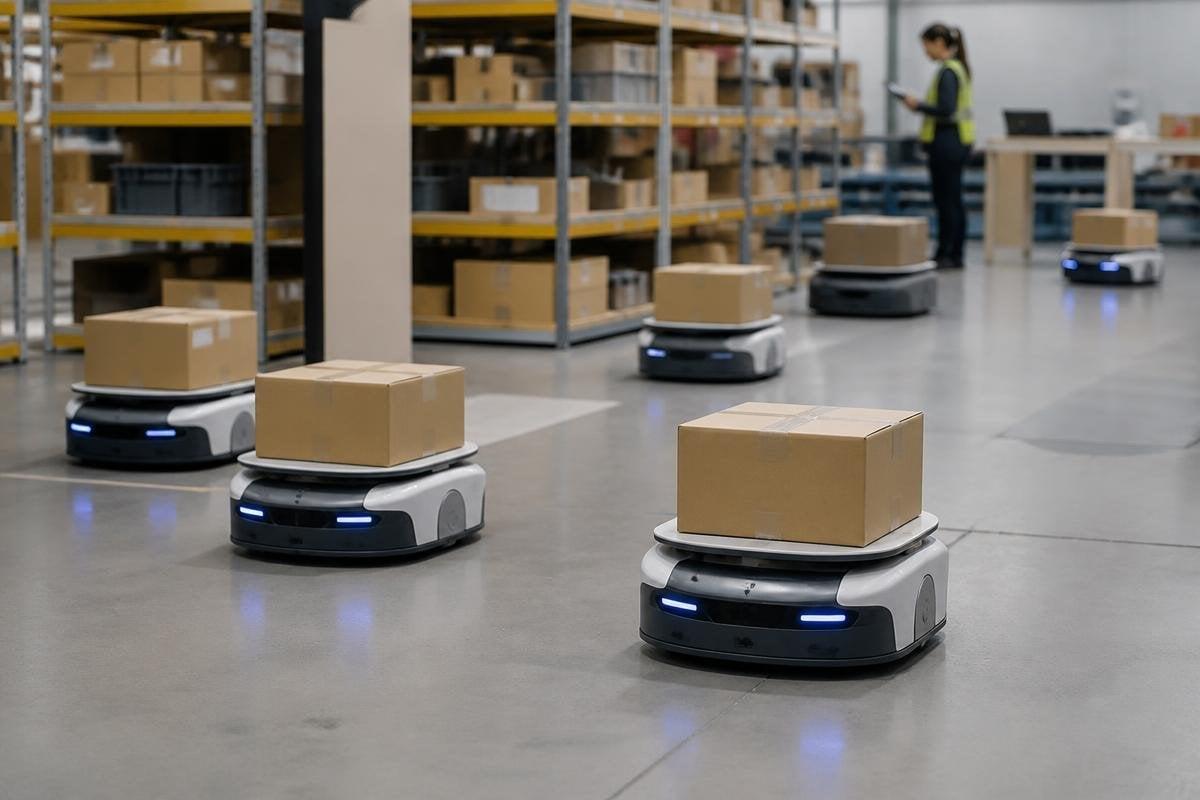
AGIBOT introduced four new robot models, showcasing their applicability in real-world scenarios. Each model is designed with specific capabilities that cater to various industries, from logistics to customer service. For example, the A3 Ultra is optimized for warehouse operations, streamlining inventory management, while the G2 Max is intended for frontline retail service, enhancing customer interaction.
Highlighting Muks Robotics' Spaceo Prime
Among the standout presentations was Muks Robotics' Spaceo Prime, a new prototype humanoid robot aimed at performing tasks in space exploration. Designed to withstand harsh conditions, Spaceo Prime showcases the potential for robots to assist in extraterrestrial missions, a significant leap forward in both robotics and space exploration technology.
The Role of AI in Enhancing Robot Capabilities
Artificial intelligence serves as the backbone of modern humanoid robotics, significantly enhancing their capabilities and efficiency. The continuous evolution of AI algorithms allows robots to process vast amounts of data, enabling them to make informed decisions in real-time.
How AI Powers Humanoid Robots’ Decision-Making
With advanced AI systems, humanoid robots can analyze their surroundings, interpret human emotions, and respond appropriately. For instance, robots employed in hospitality can recognize when a guest is dissatisfied and take proactive steps to improve their experience, reflecting a deeper understanding of human behavior.
Real-Time Learning and Adaptation Mechanisms
Modern robots are increasingly equipped with machine learning capabilities, allowing them to learn from past experiences and improve their performance over time. This ability to adapt is crucial, particularly in unpredictable environments, where pre-programmed responses may not suffice.
Future AI Trends in Robotics by 2026
As we look ahead, the integration of AI and humanoid robotics is expected to deepen, with advancements like emotional intelligence and enhanced learning algorithms leading the charge. Future humanoid robots may not only perform tasks but also build meaningful relationships with humans, fundamentally changing our interaction with technology.
Humanoid Robots in Everyday Life
The presence of humanoid robots in everyday life is growing, with numerous examples showcasing their benefits across various sectors. From educational tools to customer service, humanoid robots are becoming integral to our daily experiences.
Case Study: Salamanca High School's Classroom Assistant
Salamanca High School has recently adopted a humanoid robot as a classroom teaching assistant. This initiative aims to engage students by providing interactive lessons that blend technology with traditional learning methods. The robot's ability to respond to questions and facilitate discussions has garnered positive feedback from both students and faculty, illustrating its potential as an educational tool.
Service Robots: Palm Garden's Coherence Guard Explained
Palm Garden has pioneered a new service robot dubbed the Coherence Guard, designed to navigate social environments while maintaining natural interactions with humans. This robot utilizes advanced AI to interpret human signals and engage in conversation, ensuring that it acts seamlessly in various public settings.
The Future of Robotics in Culinary Arts
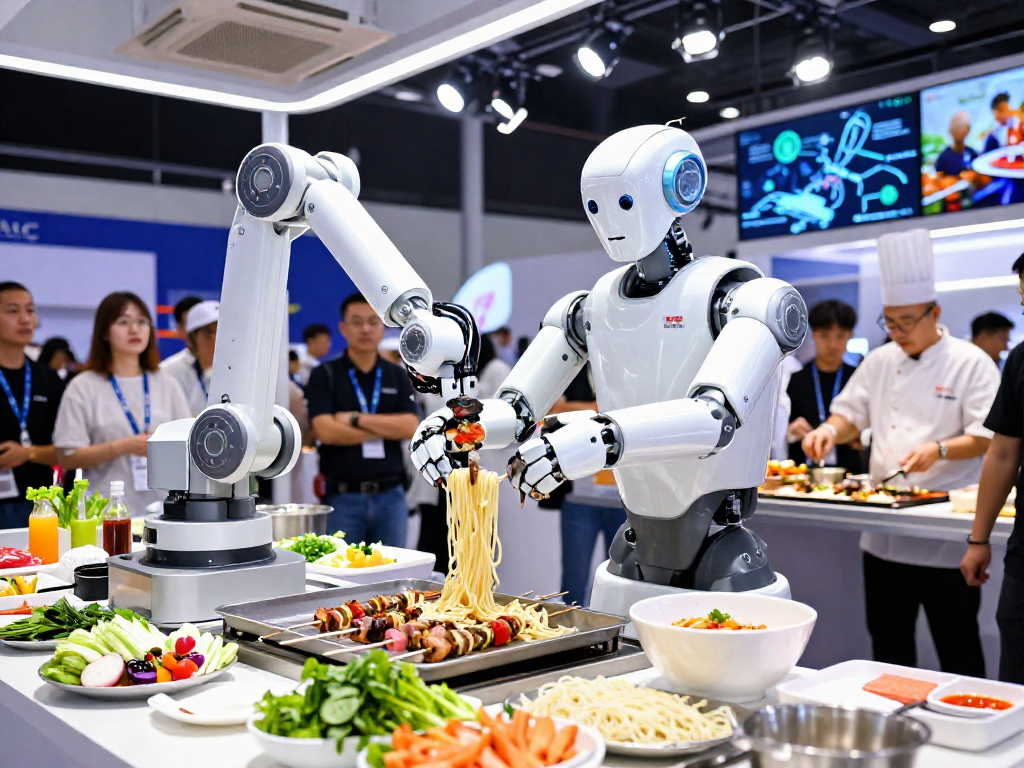
In the culinary sector, humanoid robots are being employed to assist in food preparation and service. Recently, a humanoid robot successfully prepared kebabs and hand-pulled noodles in a live demonstration, highlighting the potential for robots to revolutionize the food industry. These advancements not only promise to enhance efficiency but also maintain quality and consistency in food preparation.
Looking Ahead: The Future of Humanoid Robots
The future of humanoid robotics looks exceedingly promising, with numerous opportunities for growth and innovation. As technology advances, we can expect humanoid robots to play greater roles in both professional and personal environments.
Potential Market Growth and Industry Predictions
Market predictions indicate substantial growth in the humanoid robotics sector, with estimates suggesting expansions into new industries and applications. As businesses recognize the value of robotic solutions in enhancing productivity and reducing labor costs, investments in this technology are expected to skyrocket.
Preparing for a World with Increased Human-Robot Interaction
As we move toward an increasingly automated future, preparing for seamless human-robot interactions will be crucial. This includes developing training programs that educate the workforce on collaborating with robots, thus ensuring a smooth transition into this new era.
Ethical Considerations and Public Perception of Robots
While the technological advancements are exciting, ethical considerations must not be overlooked. Issues of privacy, security, and the potential for misuse of robotic technology require thoughtful discourse among stakeholders. Additionally, fostering a positive public perception of robots will be essential for encouraging widespread acceptance and utilization.
What are the latest innovations in humanoid robotics?
Recent innovations include BrainCo's brain-to-robot AI platform, AGIBOT's new robot models, and Muks Robotics' Spaceo Prime. Each of these innovations illustrates the transformative potential of robotics.
How does AI improve the functionality of humanoid robots?
AI enhances the decision-making capabilities of humanoid robots, allowing them to learn from experiences and engage in real-time interactions with humans.
What challenges do humanoid robots face in real-world applications?
Challenges include technical limitations, ethical concerns, and public acceptance issues, which can impact their integration into everyday life.
How are humanoid robots integrated into educational environments?
Humanoid robots are being utilized as teaching assistants, providing interactive and engaging learning experiences for students in various educational settings.
What trends should we expect in robotics by 2026?
Future trends include enhanced AI capabilities, increased market growth, and a deeper integration of humanoid robots in industries ranging from education to food service.