Understanding Pest Infestations in Wood Products
Wood products are a favored target for various pests, leading to significant concerns for manufacturers, carpenters, and consumers alike. This issue not only affects the aesthetic appeal and structural integrity of wood but also poses financial losses for businesses involved in woodworking. Finding effective pest control solutions is crucial. For instance, exploring the technology offered by Shashel can provide invaluable insights into effective eradication methods.
What Are Wood Infestation Risks?
Pests can infiltrate wood products at any stage, from harvesting to final installation. The primary risks include compromised structural integrity, increased costs for repairs, and potentially severe health hazards from certain pests. Infestations can lead to extensive damage, often invisible to the naked eye until it’s too late, emphasizing the need for proactive pest management strategies.
Common Types of Pests in Wood
Among the most prevalent wood pests are termites, wood-boring beetles, and carpenter ants. Termites, known for their destructive feeding habits, can consume wood from the inside out, making early detection vital. Wood-boring beetles, including the infamous powderpost beetle, create holes and tunnels that can weaken wooden structures significantly. Carpenter ants, while not wood-eaters, excavate wood to create nests, consequently damaging its integrity.
Impact of Infestations on Wood Quality
Pest infestations can lead to significant degradation of wood quality. Not only does compromised wood lose its aesthetic value, but it also becomes weaker and prone to breakage. This deterioration can result in costly repairs and replacement, not to mention the potential loss of business reputation if products do not meet quality standards.
The Shashel Microwave Technology Explained
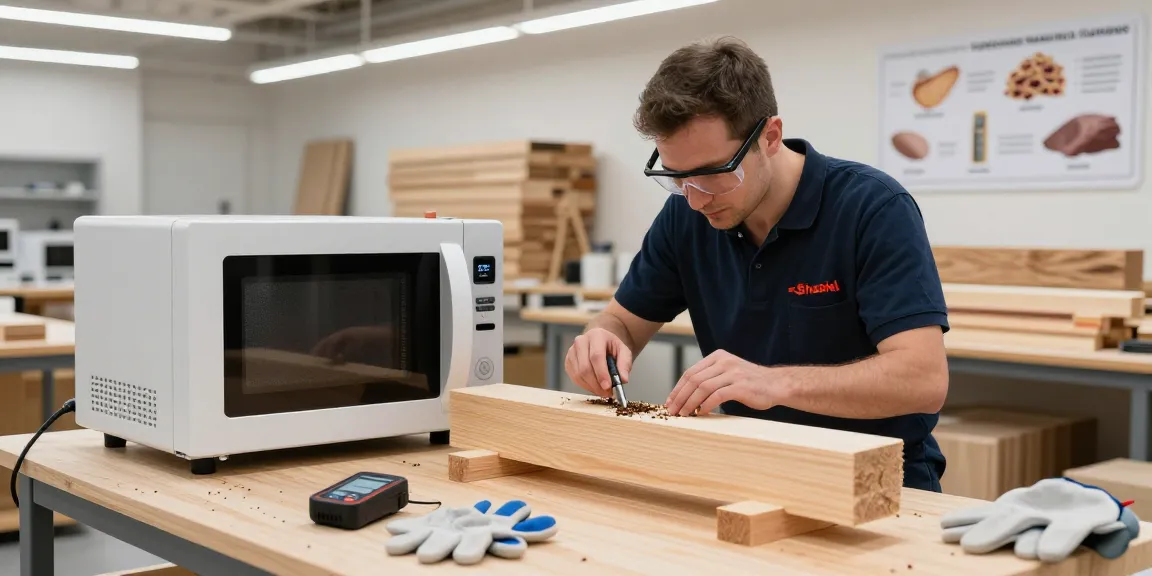
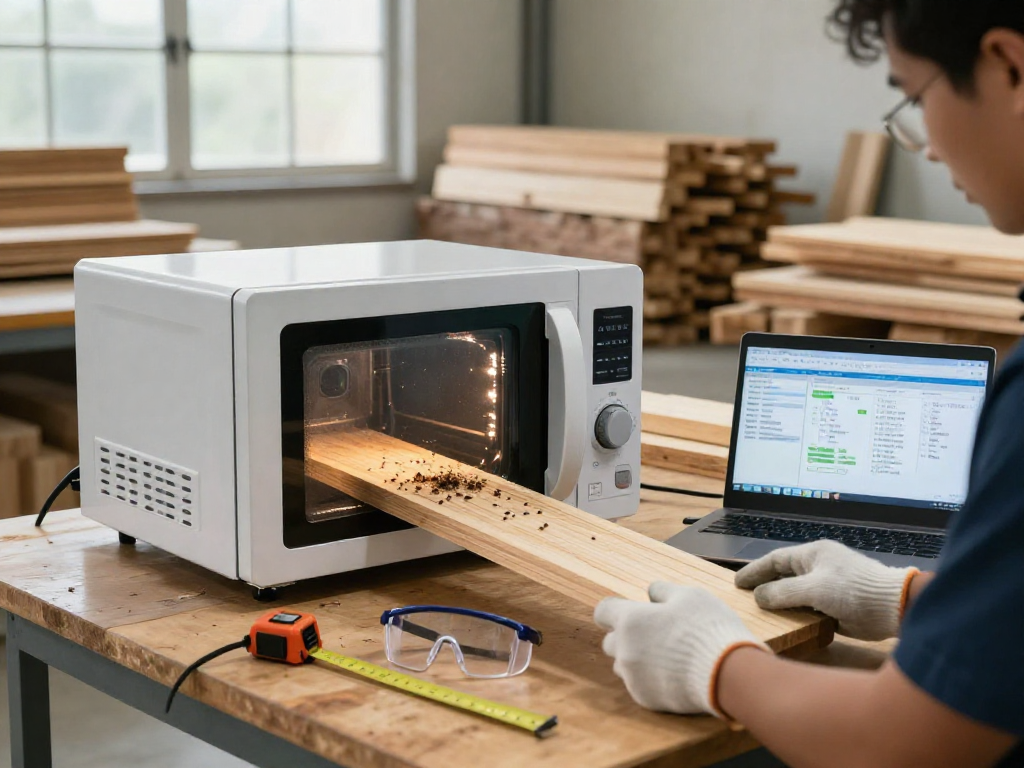
The innovative Shashel microwave technology represents a groundbreaking advancement in the pest control sector, specifically designed to confront the challenges posed by wood infestations. By harnessing microwaves' power, this technology rapidly and effectively eliminates pests without the need for harmful chemicals or extensive manual labor.
How Shashel Operates to Eliminate Pests
Shashel utilizes microwave radiation, specifically tuned to target and disrupt the biological functions of pests residing within wood. The process involves heating the infested material uniformly, ensuring that pests, no matter where they are within the wood, are effectively targeted. This method not only eradicates existing infestations but also provides a preventative measure against future outbreaks.
Benefits of Microwave Over Traditional Methods
- Speed: The Shashel technology delivers results in mere minutes, making it a swift alternative compared to traditional methods that may take days or weeks.
- Non-Toxic: Unlike many conventional pest control methods that rely on chemical treatments, Shashel is eco-friendly and safe for both users and the environment.
- Versatility: Shashel can be used on a variety of wood products, regardless of their size or complexity.
Safety Considerations for Using Microwave Technology
While the Shashel system is designed for safety, it’s essential to follow proper operating procedures. Users should ensure that the unit is calibrated correctly and that protective gear is used, especially when dealing with large quantities of material. Regular maintenance checks are crucial to ensure optimal performance and safety.
Implementing Shashel in Your Workspace
Incorporating Shashel into existing workflows can enhance pest management efficiency. By adjusting current processes to include this microwave technology, businesses can save time and resources while ensuring wood quality remains uncompromised.
Setting Up the Shashel Microwave Unit
Setting up the Shashel unit requires careful attention to detail. Users must ensure the microwave is placed in a location that allows for adequate ventilation and has easy access to power. Following the manufacturer's guidelines will help facilitate a smooth setup, which is critical for effective pest management.
Best Practices for Using Shashel Effectively
- Regular Training: Ensure all staff members are properly trained in using the Shashel system to maximize its effectiveness and safety.
- Monitoring Infestations: Keep a keen eye on wood products to monitor for any signs of infestation, enabling proactive intervention.
- Adjusting Microwave Settings: Tailor microwave settings based on the specific wood type and pest problem for the best results.
Integrating Shashel into Existing Processes
To fully leverage Shashel technology, businesses should consider how this system can mesh with existing pest management approaches. Integrating microwave treatment into regular maintenance schedules can help ensure ongoing pest control and wood quality preservation.
Measuring the Effectiveness of Shashel Solutions
Once implemented, measuring the effectiveness of Shashel solutions is crucial to understand its impact on pest control measures. By analyzing performance metrics, companies can identify opportunities for improvement and refine their pest management strategies.
Key Performance Indicators for Pest Elimination
Key performance indicators (KPIs) may include the rate of infestation before and after treatment, the longevity of pest-free conditions, and customer feedback regarding product quality. Tracking these metrics will help businesses evaluate the success of Shashel technology in their operations.
Case Studies: Success Stories with Shashel
Various companies have reported success stories after integrating Shashel technology into their pest management practices. For instance, a furniture manufacturer noted a drastic reduction in customer complaints regarding wood quality after implementing microwave treatments, significantly enhancing their brand reputation and business performance.
Adjusting Strategies Based on Results
Regular assessment of the effectiveness of Shashel solutions allows for strategic adjustments. Businesses should remain flexible, optimizing their pest control tactics based on pest behavior trends and performance data to ensure sustained effectiveness.
Future Trends in Pest Control Technology
The pest control landscape is rapidly evolving, with numerous emerging technologies poised to influence how we approach infestations in 2026 and beyond. Staying informed about these trends is crucial for companies aiming to maintain a competitive edge in wood preservation.
Emerging Technologies to Watch in 2026
Some notable advancements include the use of drones for monitoring large wood lots, AI-driven analytics to predict pest outbreaks, and enhanced microwave technologies that offer even greater efficiency. Keeping abreast of these innovations will help companies adapt and thrive.
The Role of Sustainability in Pest Management
Modern pest control is increasingly leaning towards sustainable practices. Integrating eco-friendly solutions like Shashel into pest management aligns with growing consumer demand for sustainability, ultimately benefiting businesses in the long run.
Preparing for Future Challenges in Wood Preservation
As challenges emerge in wood preservation, businesses must be proactive in their pest control strategies. This involves staying informed about new pest threats, investing in innovative technologies, and continuously training personnel in the latest pest management techniques.
What pests can Shashel eliminate?
Shashel technology is effective against a variety of pests, including termites, wood-boring beetles, and other wood-damaging insects. Its microwave capabilities ensure that these pests are eradicated efficiently, regardless of their life stage.
How quickly does the Shashel technology work?
One of the standout features of Shashel is its speed; the technology can eliminate pests in just a few minutes, setting it apart from traditional pest control methods that may take much longer.
Is the Shashel microwave unit safe for various materials?
Yes, the Shashel microwave unit is designed to be safe for various wood types and can be effectively used across different dimensions and product forms. This versatility makes it an ideal choice for diverse applications within the woodworking industry.
What maintenance is required for the Shashel device?
Regular maintenance is essential to keep the Shashel device functioning optimally. This includes routine cleaning, checking for any wear and tear, and ensuring that all safety features are operational. Following the manufacturer's guidelines will help extend the life of the unit.
Can Shashel be used in residential settings?
Yes, Shashel technology can be utilized in residential settings, making it a practical solution for homeowners dealing with wood infestations. Its efficiency and safety make it suitable for personal use as well as commercial applications.