The Unique Appeal of Gourmet Culinary Experiences
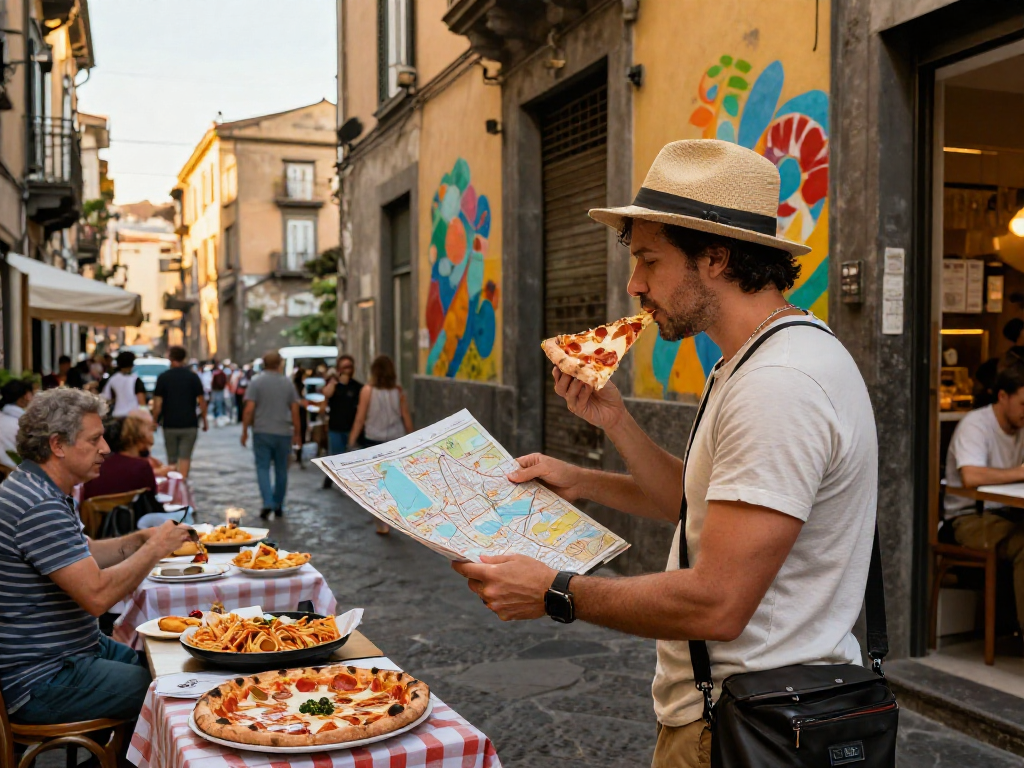
In an era where culinary experiences are celebrated as a form of art, gourmet travel has gained momentum among food enthusiasts. Visitors are increasingly seeking not just meals, but immersive experiences that engage all the senses. Culinary tourism allows travelers to dive deep into the local culture through food, showcasing regional ingredients, traditional cooking methods, and unique flavor profiles. The rising interest in gourmet travel highlights the importance of understanding culinary artistry and its place in global tourism. For those eager to explore the vibrant world of gourmet food, visit gourmeticat to uncover detailed insights and resources.
What Makes Culinary Tourism Special?
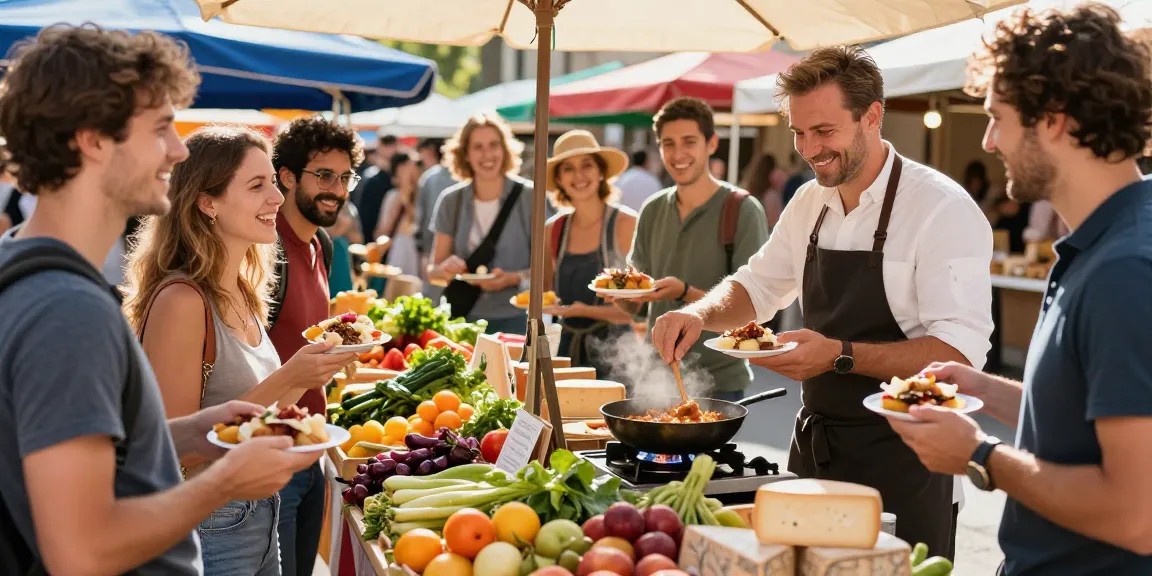
Culinary tourism is more than just indulging in meals; it’s about the stories behind those meals. This form of travel provides travelers with a chance to connect with local chefs, farmers, and artisans, fostering relationships that can enhance their understanding of the cuisine. It's an opportunity to learn about local customs, seasonal ingredients, and the art of food preparation. Engaging in cooking classes, visiting local markets, and participating in food festivals allows travelers to gain a deeper appreciation for the culinary arts. This experience becomes memorable as the taste of local flavors stays etched in one’s memory long after the meal is over.
Top Destinations to Visit Gourmeticat
If you're considering culinary travel, there are several key destinations that consistently rank high among food lovers:
- Italy: Renowned for its rich culinary traditions and regional specialties, Italy offers everything from pasta-making classes in Bologna to wine tasting in Tuscany.
- Japan: With its emphasis on seasonal ingredients and presentation, Japan provides experiences like sushi-making workshops and traditional kaiseki dining.
- Mexico: Known for its bold flavors, Mexico allows travelers to delve into local markets, street food tours, and cooking classes that focus on traditional recipes.
- France: The epitome of gourmet dining, France offers cheese and wine tours, patisserie classes, and culinary workshops led by renowned chefs.
- Thailand: With its vibrant street food culture, Thailand is perfect for those wanting to learn how to prepare authentic Thai dishes in local cooking schools.
Gourmet Food Trends in 2026
As we move further into 2026, the culinary landscape continues to evolve. Some of the prominent trends include:
- Plant-Based Cuisine: With growing interest in health and sustainability, many chefs are experimenting with plant-based ingredients, creating dishes that cater to both vegans and meat-lovers.
- Fermentation: The use of fermented products is on the rise, adding complex flavors to dishes and promoting health benefits, thanks to probiotics.
- Locally Sourced Ingredients: Many gourmet restaurants are prioritizing hyper-local sourcing to reduce their carbon footprint while supporting local farmers.
- Fusion Foods: The blending of different culinary traditions continues to excite diners, with chefs creating innovative dishes that reflect global influences.
- Food as Experience: Restaurants are focusing on creating immersive dining experiences, combining elements such as ambience, storytelling, and interactive meals.
How to Plan Your Visit Gourmeticat Trip
Now that you're inspired to embark on a culinary adventure, careful planning is essential to maximize your experience. Here are several tips to help you plan a memorable trip:
Essential Packing Tips for Culinary Travelers
When preparing for a gourmet trip, consider packing the following essentials:
- Comfortable Shoes: You’ll likely be walking a lot, whether through food markets or on culinary tours.
- Traveling Utensils: Consider bringing a reusable cutlery set for sampling street food safely.
- Notebook or Journal: Document your culinary experiences, recipes, and favorite dishes for future reference.
- Food Storage Containers: If you're planning to bring home any local ingredients or snacks, have containers handy to keep them fresh.
Budgeting Your Culinary Adventure
Dining at gourmet restaurants can be costly, but there are ways to enjoy luxury on a budget:
- Lunch vs. Dinner: Opt for lunch reservations, which are often cheaper than dinner.
- Local Eats: Don't shy away from street food—it's often just as delicious and much more affordable.
- Dining Deals: Look for dining deals or restaurant week specials that provide fixed-price menus.
- Cooking Classes: Consider taking a cooking class that includes a meal—this can be a cost-effective way to enjoy gourmet cuisine.
Creating a Personalized Itinerary
To ensure you make the most of your culinary trip, create an itinerary that fits your interests. Include:
- Your top restaurants and cafés.
- Food tours, street markets, and festivals occurring during your visit.
- Cooking classes or workshops that align with local cuisine.
- Time for exploration and discovery, as some of the best meals can be found off the beaten path.
Engaging with Local Cultures
Experiencing culinary tourism is not just about food; it’s also about cultural immersion. Engaging with locals can provide deeper insights into their culinary traditions.
Building Relationships with Local Chefs
Establishing a connection with local chefs can enhance your culinary exploration. Here are a few tips:
- Attend Chef-Led Tours: These tours often include personal stories and insights from the chefs themselves.
- Ask Questions: Don’t hesitate to inquire about their cooking techniques and favorite local ingredients.
- Social Media Connections: Follow local chefs and restaurants on social media for updates and opportunities to engage.
Participating in Cooking Classes and Workshops
Hands-on cooking classes allow travelers to learn firsthand about local cuisine. Engaging with locals in this way can lead to lasting memories and friendships.
Understanding Cultural Culinary Traditions
Every dish has a story. Understanding the history and significance behind local cuisine can enrich your dining experience. Spend time learning about:
- Food rituals and traditional cooking methods.
- Local festivals and how they celebrate food.
- Ingredient sourcing and seasonal changes in local cooking.
Maximizing Your Culinary Experience
Here are strategies to ensure you fully embrace the gourmet offerings of your chosen destination:
Top Gourmet Dishes to Try at Each Destination
Research local specialties before your trip, and create a list of must-try dishes. Some popular examples include:
- Ramen in Japan: Experience fresh, handmade noodles paired with rich broth.
- Tacos al Pastor in Mexico: This dish blends flavors of marinated pork with fresh pineapple.
- Macarons in France: These delicate pastries are essential for any trip to Paris.
- Risotto in Italy: A creamy rice dish that varies by region and season.
- Pad Thai in Thailand: A flavorful stir-fried noodle dish with a perfect balance of sweet, salty, and sour tastes.
Using Technology for Food Discovery
Utilize technology to enhance your culinary journey:
- Food Apps: Download apps such as Yelp or Zomato for restaurant reviews and recommendations.
- Social Media: Use Instagram to discover trending dishes and hidden gems.
- Online Reservations: Make reservations ahead of time using platforms like OpenTable or Resy to secure your spot at popular eateries.
Documenting Your Culinary Adventure
Capture your culinary experiences to relive them later:
- Take Photos: Document every dish and location you visit; it will make for a great travel blog or memory book.
- Write Reviews: Share your experiences on platforms like TripAdvisor to help future travelers.
- Compile Recipes: If you learn new recipes, consider creating a personal cookbook of your favorite dishes from your travels.
Future of Culinary Tourism
As culinary tourism continues to evolve, keeping an eye on emerging trends can help you stay ahead of the curve.
Emerging Trends to Watch in 2026
Several trends are expected to shape the future of culinary travel:
- Virtual Culinary Experiences: With advances in technology, virtual cooking classes are becoming more popular, allowing travelers to experience global flavors from home.
- Healthy Eating Focus: As wellness becomes a priority, culinary tourism will increasingly cater to those seeking healthier options without sacrificing flavor.
- Community-Centric Dining: Restaurants focusing on community-oriented culinary experiences are becoming more prevalent, allowing travelers to engage with local culture meaningfully.
How Sustainability is Shaping Culinary Travel
As environmental awareness grows, sustainable practices are becoming essential in culinary tourism:
- Farm-to-Table Concept: Many restaurants emphasize sourcing ingredients directly from local farmers, reducing their carbon footprint.
- Waste Reduction: Chefs are increasingly focusing on minimizing waste through creative uses of scraps and leftovers.
- Supporting Local Economies: Culinary tourism fosters economic growth in local communities by promoting local businesses and artisans.
Expert Insights on the Future of Gastronomy
Industry experts believe that the future of gastronomy lies in transparency and authenticity. Travelers are more inclined to support establishments that showcase their sourcing practices and culinary roots. This shift in focus encourages chefs to tell their stories through the food they create, enriching the experiences for diners.
What is the best time of year to visit gourmeticat?
Timing your visit can enhance your culinary experience. Research the best seasons for local ingredients, food festivals, and cooking classes to ensure you make the most of your trip. Spring and fall are often ideal for many regions, as they highlight fresh produce and offer temperate weather for outdoor dining.
How can I find local culinary tours?
To discover local culinary tours, utilize travel platforms such as Airbnb Experiences, Viator, or local tourism websites. Additionally, inquire at your hotel or hostel for recommendations on authentic local experiences.
What are some must-try dishes when visiting gourmet destinations?
Each destination boasts unique flavors and dishes worth trying. Be sure to explore local specialties, regional variations, and signature dishes that highlight the culture of the area.
Are culinary tours suitable for families?
Culinary tours can be family-friendly, especially those that offer interactive cooking experiences or food markets. Look for tours that cater to all ages and include activities for children.
What safety measures should I consider during my gourmet travels?
When traveling for culinary experiences, consider food safety practices, such as eating at reputable establishments, ensuring food is properly cooked, and being cautious with street food in unfamiliar areas. Also, stay informed about any travel advisories relevant to your destination.